
Publish Date: February 4, 2026
आई.आई.टी. दिल्ली और एम्स के शोधकर्ताओं ने किया एक निगलने योग्य सूक्ष्म उपकरण विकसित | IIT Delhi and AIIMS Researchers Develop a Swallowable Microdevice That Can Collect Microbial Samples from the Small Intestine
Share this on
(अस्वीकरण: साथ में दी गयी योजनाबद्ध/ एनीमेशन शैक्षिक उद्देश्यों के लिए प्रदत्त एक कलात्मक चित्रण है। यह पैमाने पर नहीं है और इसे वैज्ञानिक प्रक्रिया के शाब्दिक या पूर्ण चित्रण के रूप में नहीं माना जाना चाहिए। स्रोत: https://doi.org/10.1002/smll.202510289)
नई दिल्ली: कल्पना कीजिए कि आप एक छोटी गोली जैसे माइक्रोरॉबोट्स निगलते हैं जो पेट से होते हुए आंत तक पहुँचता है, सूक्ष्मजीवों और अणुओं को इकट्ठा करता है, और फिर शरीर से बाहर निकल जाता है। जो कभी विज्ञान कथा की तरह लगता था वह अब सच हो गया है। आई.आई.टी. दिल्ली के शोधकर्ताओं ने एक निगलने योग्य सूक्ष्म उपकरण को विकसित किया है जो छोटी आंत से सीधे बैक्टीरिया का सैंपल ले सकता है, जिससे मानव आंत माइक्रोबायोम का एक नया रास्ता खुल गया है।
सभी बैक्टीरिया हानिकारक नहीं होते। मानव शरीर की लगभग आधी कोशिकाएं माइक्रोबियल होती हैं। ये सूक्ष्मजीव हमारी आंतों में रहते हैं और भोजन पचाने, मूड को नियंत्रित करने और प्रतिरक्षा प्रणाली (इम्युनिटी) को मजबूत बनाने में हमारी मदद करते हैं। फिर भी, उनका अध्ययन करना कठिन बना हुआ है। मौजूदा तरीके या तो आक्रामक प्रकृति (इनवेसिव)के हैं, जैसे एंडोस्कोपी अथवा इलियोस्टॉमी, या फिर अप्रत्यक्ष विधियों पर आधारित हैं, जो मल नमूनों पर निर्भर करती हैं और पाचन तंत्र के ऊपरी भागों की वास्तविक परिस्थितियों को सटीक रूप से प्रदर्शित नहीं करतीं।
प्रो. सर्वेश कुमार श्रीवास्तव, प्रमुख शोधकर्ता, मेडिकल माइक्रोडिवाइसेज़ एंड मेडिसिन लेबोरेटरी (3MLab), जैवचिकित्सा इंजीनियरी, आई.आई.टी. दिल्ली ने समझाया "यह कहना कि हमारे शरीर में जीवित रोगाणुओं (माइक्रोब्स) का एक छिपा हुआ ब्रह्मांड है, कोई अतिशयोक्ति नहीं, बल्कि एक वैज्ञानिक सच्चाई है - हम इसे मानव माइक्रोबायोम कहते हैं। जैसे बाहरी अंतरिक्ष का पता लगाने के लिए रोवर्स का उपयोग करते हैं, वैसे ही मानव शरीर के आंतरिक स्थान का पता लगाने के लिए लघु (मिनिएचर) उपकरणों की आवश्यकता होती है।"
प्रोफेसर सर्वेश श्रीवास्तव ने आगे कहा, "यह प्रोटोटाइप माइक्रोडिवाइस, एक बार निगलने के बाद, ऊपरी GI ट्रैक्ट के विशिष्ट हिस्सों से सूक्ष्मजीवों को स्वायत्त रूप से एकत्र कर सकता है, जिससे वहां रहने वाले सूक्ष्मजीवों की प्रजाति स्तर पर पहचान की जा सकती है, साथ ही अन्य बायोमार्कर का भी पता लगाया जा सकता है।" शोधकर्ताओं का कहना है कि उनका आविष्कार पारंपरिक स्टूल परीक्षण की तुलना में हमारी आंत के अंदर रहने वाले रोगाणुओं की बहुत स्पष्ट तस्वीर प्रदान करता है।
टीम ने अपना अध्ययन "A Small Pill-like Ingestible Microdevice for Site-specific Microbiome Sampling in the Upper GI Tract" शीर्षक से प्रतिष्ठित जर्नल स्मॉल में प्रकाशित किया। (शोध पत्र लिंक: https://doi.org/10.1002/smll.202510289; लेखक: अंशुल नेमा, देबजीत धर, वेंकट साई रेड्डी रामिरेड्डी, कुमारी प्रियम, समग्र अग्रवाल, सर्वेश कुमार श्रीवास्तव)
एक बार निगलने के बाद, गोली पेट में रहती है। यह केवल आंत में बैक्टीरिया एकत्र करने के लिए खुलती है, फिर आंत से गुजरते समय यह नमूने (सैंपल) को सुरक्षित रखने के लिए खुद को फिर से बंद कर लेती है। टीम ने पहले ही पेटेंट दायर कर दिया है और चावल के दाने से बड़े माइक्रोडिवाइस का उपयोग करके एक पशु मॉडल में अपनी गट-सैंपलिंग तकनीक को मान्य किया है! अब इस प्लेटफ़ॉर्म तकनीक को आवश्यक मंजूरियों के बाद क्लिनिक में भारतीय मरीजों की सहायता के लिए आगे बढ़ाने का प्रयास किया जा रहा है।”
एम्स नई दिल्ली के गैस्ट्रोएंटरोलॉजी और ह्यूमन न्यूट्रिशन यूनिट के सह-वरिष्ठ लेखक डॉ. समग्रा अग्रवाल ने बताया, “छोटी आंत स्वास्थ्य और बीमारी में अहम भूमिका निभाती है। वहां से निकलने वाले सूक्ष्मजीवों और रसायनों को समझना प्रारंभिक बीमारी का पता लगाने, पुरानी बीमारियों की निगरानी और अधिक लक्षित उपचार विकसित करने में महत्वपूर्ण हो सकता है।”
यह परियोजना भारतीय आयुर्विज्ञान अनुसंधान परिषद (ICMR) द्वारा वित्तपोषित है।
शोधकर्ता का ईमेल: प्रो. सर्वेश कुमार श्रीवास्तव, जैवचिकित्सा इंजीनियरी, आई.आई.टी. दिल्ली — sksr@cbme.iitd.ac.in.
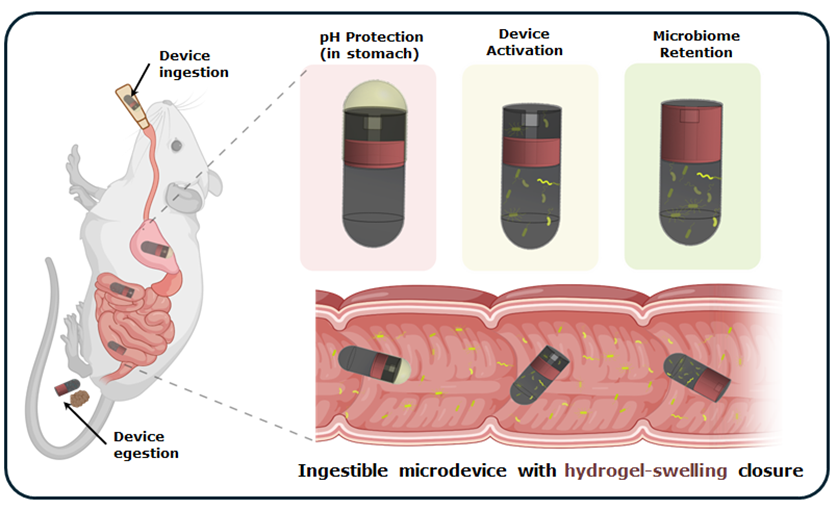
(Disclaimer: The accompanying schematic/animation is an artistic representation provided for educational purposes. It is not to scale and should not be taken as a literal or complete depiction of the scientific process. Source: https://doi.org/10.1002/smll.202510289)
New Delhi: Imagine swallowing a tiny pill-like microrobot that travels through the stomach, reaches the intestine, collects microbes and molecules, and then leaves the body. What once sounded like science fiction is now real. Researchers at IIT Delhi have developed an ingestible device that can sample bacteria directly from the small intestine, opening a new window into the human gut microbiome.
Not all bacteria are harmful. Nearly half of all cells in the human body are microbial. These organisms line our gut and help us digest food, regulate mood, and build immunity. Yet studying them has remained difficult. Existing tools are invasive, such as endoscopy or ileostomy, or indirect, relying on stool samples that do not truly reflect conditions higher up in the digestive tract.
“To say there is a hidden universe of living microbes in our body is no exaggeration but a scientific reality – we call it the human microbiome. Just as we send rovers to explore outer space, we need miniaturized devices to explore the inner space of the human body,” explained Prof. Sarvesh Kumar Srivastava, Principal Investigator at the Medical Microdevices and Medicine Laboratory (3MLab), CBME, IIT Delhi.
“The prototype microdevice, once swallowed, can autonomously collect microbes from specific regions of the upper GI tract, allowing species-level identification of the residing microbes, among other biomarkers,” added Prof. Sarvesh Srivastava. The researchers say their invention provides a much clearer picture of the microbes living inside our gut than conventional stool testing.
The team published their study entitled “A Small Pill-like Ingestible Microdevice for Site-specific Microbiome Sampling in the Upper GI Tract” in the prestigious journal Small. (Research paper link: https://doi.org/10.1002/smll.202510289; Authors: Anshul Nema, Debajit Dhar, Venkata Sai Reddy Ramireddy, Kumari Priyam, Samagra Agarwal, Sarvesh Kumar Srivastava)
Once swallowed, the pill stays shut in the stomach. It opens only in the intestine to collect bacteria, then seals itself again to keep the sample safe while moving through the gut. The team has already filed the patent and validated their gut-sampling technology in an animal model using a microdevice no larger than a grain of rice! The effort now is on advancing this platform technology to help Indian patients in the clinic after necessary approvals.
Co-senior author Dr. Samagra Agarwal from the Department of Gastroenterology and Human Nutrition Unit at AIIMS New Delhi explained, “The small intestine plays a crucial role in health and disease. Understanding the microbes and chemicals being released there could be key to early disease detection, monitoring of chronic diseases, and developing more targeted treatments.”
The project is funded by the Indian Council of Medical Research (ICMR).
Researcher's email: Prof. Prof. Sarvesh Kumar Srivastava, CBME, IIT Delhi- sksr@cbme.iitd.ac.in
Published on: 17-12-2026
Other News
स्ट्रोक के बाद बोलने की समस्या के उपचार के लिए आई.आई.टी. दिल्ली, एम्स नई दिल्ली और आई.एच.बी.ए.एस. ने विकसित किया मेलोडिक इंटोनेशन थेरेपी (एम.आई.टी.) का पहला हिंदी संस्करण।
Read More
IIT Delhi, AIIMS New Delhi and IHBAS Develop First Hindi Version of Melodic Intonation Therapy (MIT) for Post-stroke Aphasia
Read More
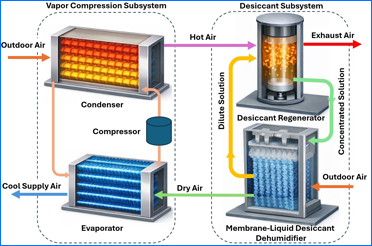
IIT Delhi Researchers Developing a High-Efficiency AC Capable of Reducing Electricity Use by a Third | आई.आई.टी. दिल्ली के शोधार्थी कर रहे हैं बिजली-बचत वाला स्मार्ट एयर कंडीशनर विकसित
Read More
Researchers Develop a Hybrid Physics-AI Framework for National-Scale River Flow Modeling | राष्ट्रीय स्तर पर नदी प्रवाह मॉडलिंग के लिए शोधकर्ताओं ने विकसित किया हाइब्रिड फिजिक्स–AI फ्रेमवर्क
Read More
आई.आई.टी. दिल्ली के शोधकर्ताओं द्वारा मानव वैज्ञानिकों की तरह वास्तविक वैज्ञानिक प्रयोग कर सकने वाले कृत्रिम एजेंट 'AILA' का निर्माण | IIT Delhi Researchers Create AI-Agent ‘AILA’ That Can Conduct Real Scientific Experiments Like Human Scientists
Read More
आईआईटी दिल्ली अध्ययन: एंड्रॉइड ऐप्स से निजी जानकारी उजागर होने का खतरा | Mobile Apps on Android Devices Requiring Precise Location Permissions Can Reveal a Significant Amount of Private Information About Users: Shows IIT Delhi Study
Read More
स्वच्छ इनडोर हवा के लिए आईआईटी दिल्ली का स्मार्ट एचवीएसी समाधान | IIT Delhi Researcher-led Team Develops Machine Learning Framework to Design Smarter HVAC Filters to Ensure Healthier Indoor Air Quality
Read More
आई.आई.टी. दिल्ली के शोधार्थियों ने सीमेंट की त्वरित गुणवत्ता जांच के लिए किया एआई मॉडल विकसित | IIT Delhi Researchers Develop AI Models for Instantaneous Quality Check of Cement
Read More
आई.आई.टी. दिल्ली के शोधार्थियों ने डेनिम अपशिष्ट को उच्च गुणवत्ता बनाए रखते हुए बुने हुए कपड़ों में पुनर्चक्रण की विधि की विकसित | IIT Delhi Researchers Develop Method to Recycle Denim Waste to Knitted Garments Without Compromising Quality
Read More
आई.आई.टी. दिल्ली के शोधकर्ताओं ने किया मच्छर रोधी डिटर्जेंट विकसित | Researchers at IIT Delhi developed Mosquito-repellent Detergents
Read More
Artificial Intelligence Transforming Meteorological Prediction Through Innovative Approaches, IIT Delhi Study Shows
Read More
Breakthrough at IIT Delhi: A Multifunctional Optoelectronic Computing Device (MOD-PC) for Next-Gen Neuromorphic Hardware
Read More
IIT Delhi Researchers Develop High-Efficiency Silicon Heterojunction (SHJ) Solar Cells with Power Conversion Efficiency of >23%
Read More
IIT Delhi Researchers Develop High-Speed, Self-Powered Photodetector for Next-Gen Optical Communication
Read More
Atomically thin graphene coating effectively protects glasses from simultaneous mechanical and chemical damage under water: Study
Read More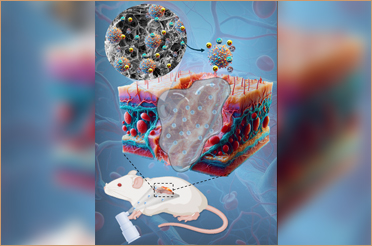
Sprayable Hydrogel by IIT Delhi Researchers for Improving Wound Healing Exhibits Promising Results in Pre-Clinical Trial
Read More